01Less work
67 hours
A month, absorbed
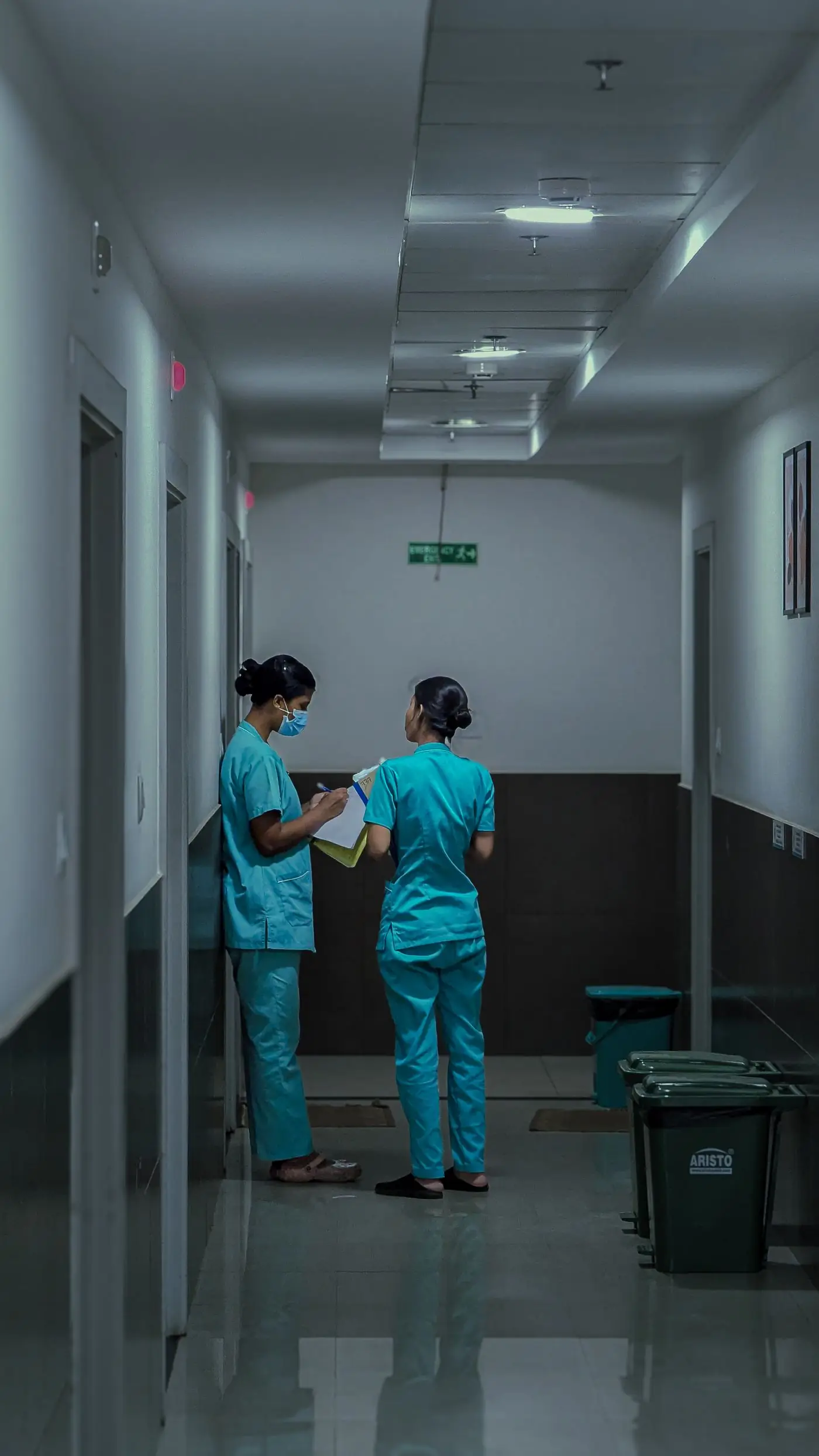
The licensed clinical time a care management program actually costs at 200 enrolled patients. That is most of a full-time employee you never have to hire, and it is the part we take on.
Licensed RNs Schmitt-Thompson protocols Documented for your chart
The licensed clinical time a care management program actually costs at 200 enrolled patients. That is most of a full-time employee you never have to hire, and it is the part we take on.
Care management and annual wellness visits are covered benefits. Practices skip them because nobody has the licensed hours to run them, not because the codes are hard.
We sell nurse labour, not a platform. No per-seat licence, no share of your collections, and our nurses are never paid per enrollment.
TULQ supplies licensed registered nurses to the practices and agencies that cannot staff this work themselves. We sell nurse labour, not software. You keep the billing, the chart, and the patient relationship in all three.
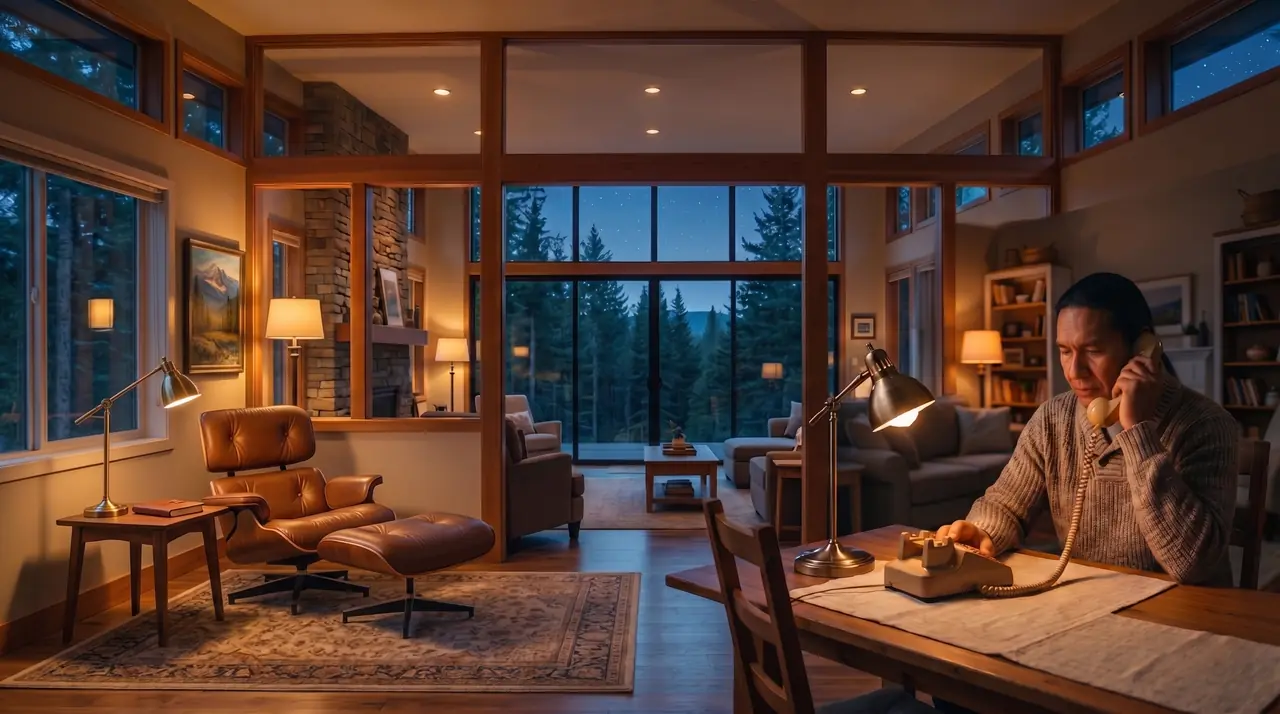
An RN answers the after-hours call, assesses against Schmitt-Thompson protocols, reaches a disposition, and documents it back to you. Replaces the physician's personal cell phone and the answering service that only takes a message.
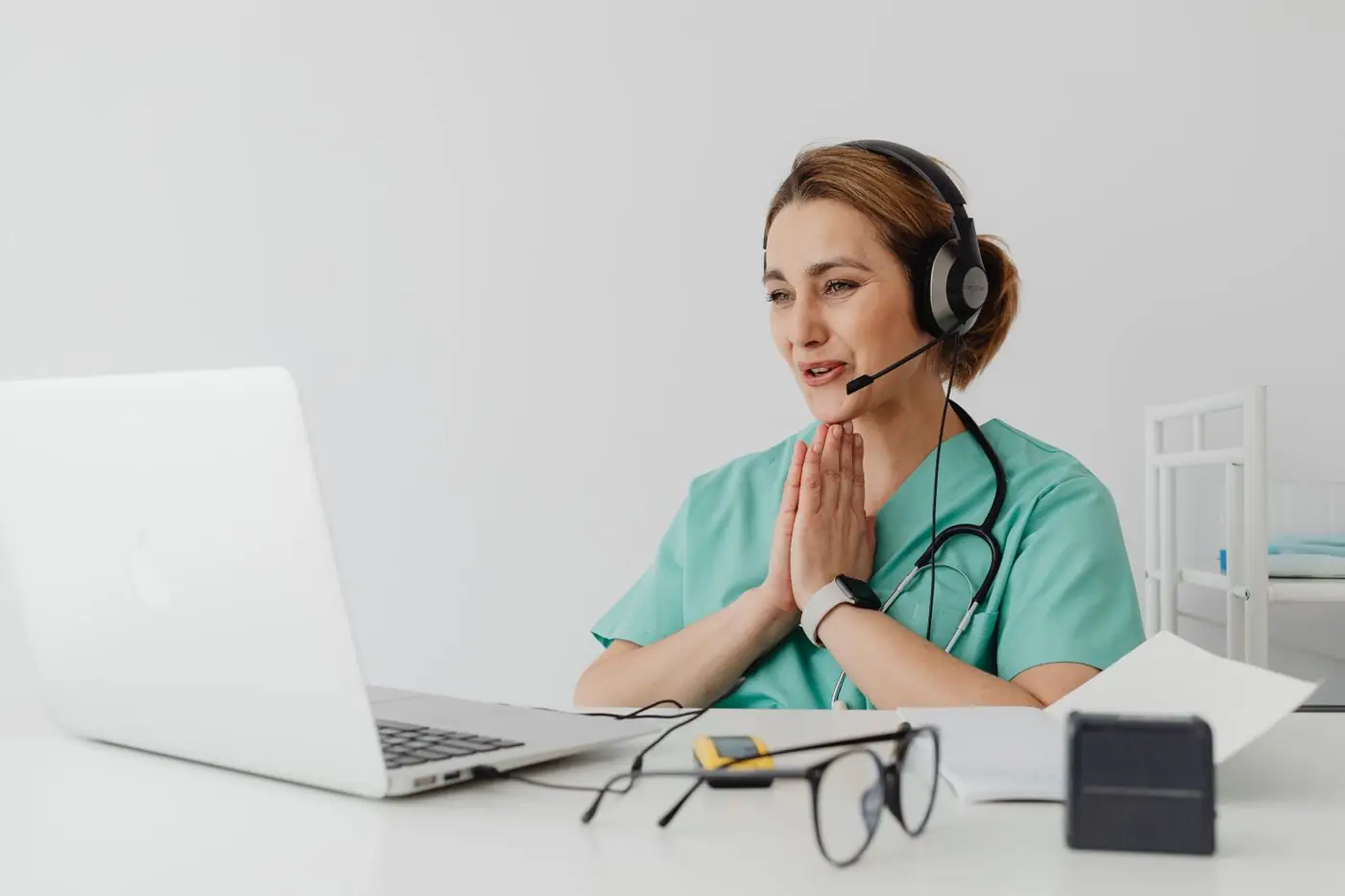
CCM, APCM, PCM, and TCM run by remote RNs inside your chart. Medicare pays your practice every month for work your staff is probably already doing for free. We supply the clinical hours and the documentation that makes it billable.
Compact-licensed RNs complete the Medicare AWV by telephone and return finished documentation to your clinic. Priced per completed visit, so the visit stops competing with sick visits for an examination room.
Here is one of the three services in full, because the after-hours call is the one people picture. Whether it comes after the clinic closes, on a weekend, between visits, or in the middle of the night, it's answered the moment it connects. AI assisted intake collects the chief complaint and caller details, then routes the call to a licensed RN, who triages on the same Schmitt-Thompson protocols that 95% of U.S. medical call centers use. Every encounter ends with a disposition and is documented, EHR-ready.
The call ends with a plan, not a transfer.
TULQ Care · nights, weekends, and the gaps between
Built to satisfy both the compliance officer signing the contract and the patient on the other end of the call.
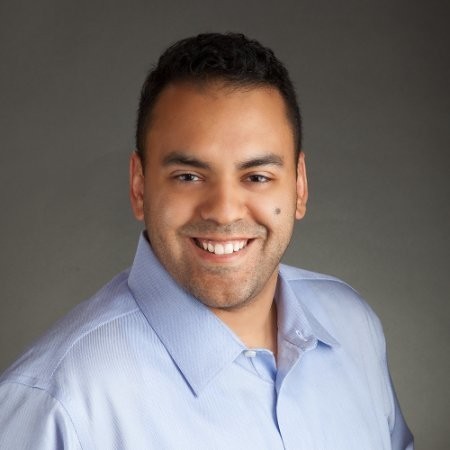
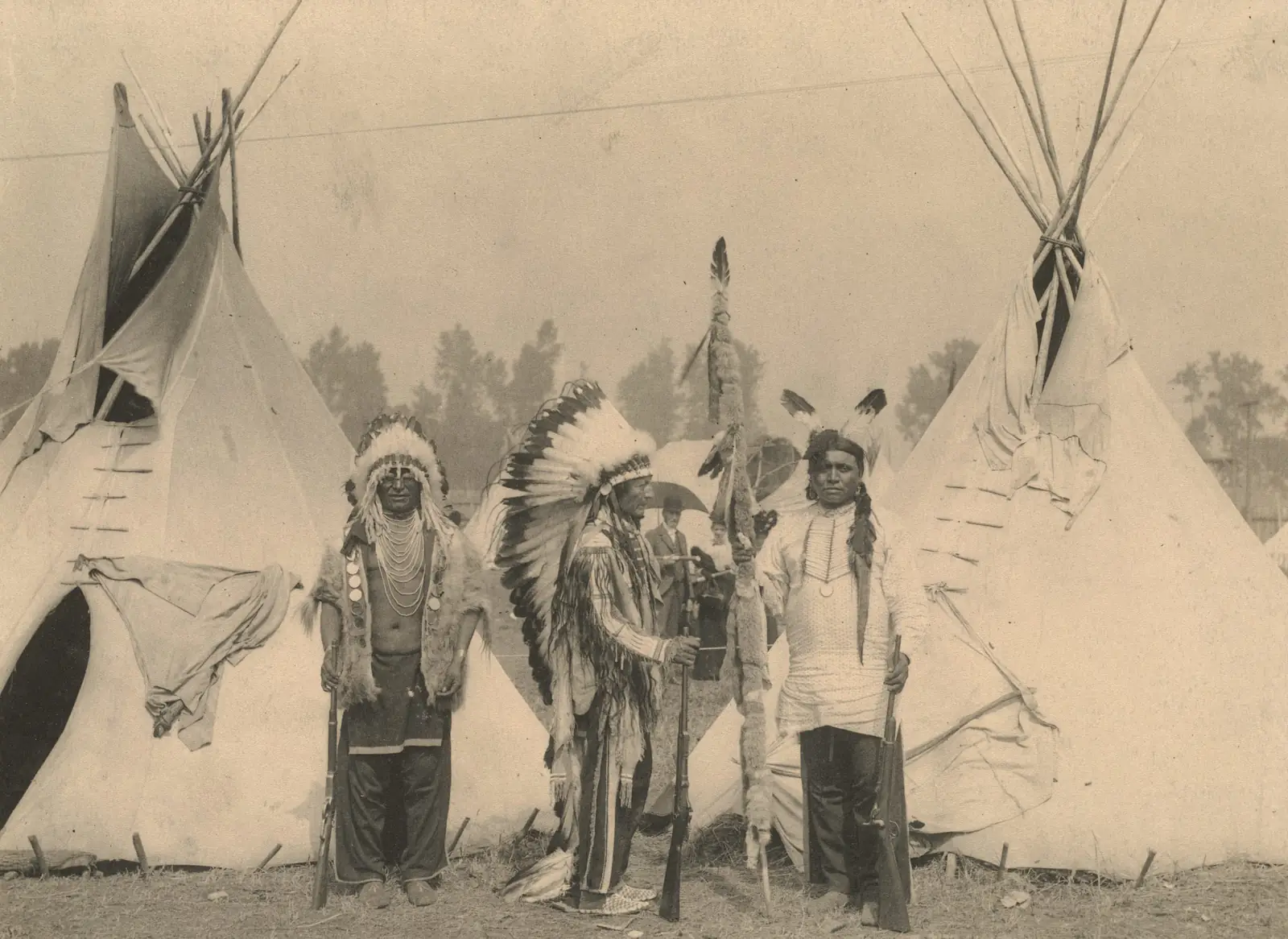
Enrolled citizen of the Snoqualmie Tribe, the source of the name TULQ, and a former Vice Chairman of its Tribal Council. Worked on Capitol Hill in Washington, D.C., on keystone healthcare and public-interest legislation, and spent three years helping manage a community Health and Wellness clinic, the operational grounding behind how TULQ runs a line.
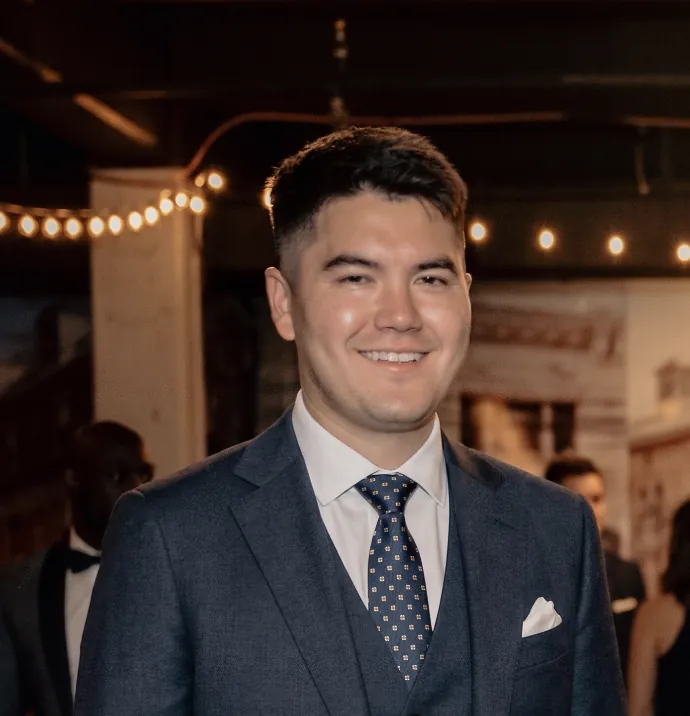
Eleven years and a dozen ICUs deep: Level 1 trauma, cardiovascular intensive care, travel assignments across the country. He has delivered hospital-level care into patients' homes as lead nurse for a telehealth company, answered every emergency alarm as the rover RN inside a supermax prison, and held the line through the COVID surge. Most recently he ran a 142-bed skilled nursing facility as its Unit Manager and MDS Coordinator.
Some are required by regulation to have a nurse reachable around the clock. Most are also leaving Medicare care management and wellness visit revenue unbilled, for the same reason: the licensed hours do not exist. Each card lists what we typically run for that organization.
FQHCs, Look-Alikes, and RHCs demonstrating after-hours coverage. Since G0511 retired, the same organizations now bill care management code by code, which takes documentation they were never staffed for.
Agencies where 24-hour nurse availability is a federal Condition of Participation. Flat monthly coverage that keeps the on-call field nurse asleep, and post-discharge coordination that gets billed rather than absorbed.
Small hospitals carrying a 24/7 obligation without a physician on-site overnight, and attached clinics whose Medicare panel has never had a wellness visit scheduled properly.
The practice already doing this work for free: calling the patient discharged on Friday, chasing the mammogram, covering nights on a personal mobile. Medicare pays for most of it, monthly, if it is documented.
Each one covers the rule you are held to, what an inspector or surveyor actually asks for, and what coverage costs.
Three commitments that hold across all three services. They are the reasons to pick TULQ over a software vendor or a national answering service, and each one is a deliberate constraint rather than a slogan.
Nurses make the calls, reach the dispositions, and write the notes. No non-clinical operator triages, no offshore handoff, and patients hear your practice, because under these programs our nurses are your care team.
Delegated access under a signed business associate agreement. Nothing lives on our side, there is no platform to buy, and your billing team sees a dated, defensible note rather than an export from somewhere else.
Never a share of your collections, never a cut of what gets coded, and our nurses are never paid per enrollment. Tying a vendor's pay to your Medicare reimbursement is the arrangement auditors look at hardest.
Two of these size the market TULQ serves. Two are the shape of the work itself. None of them are ours to claim as results: TULQ is launching in 2026 and has no call volumes, answer times, or client outcomes to quote you.
TULQ takes its name from tultxʷ, which means the confluence of two rivers in Lushootseed, the language of the Snoqualmie People, the heritage of our founder. We kept the name because the work itself is a confluence.
That is what TULQ is built to be: the line that picks up when the clinic is closed, and already knows the protocol. That is how a missed call stops being a missed outcome.
Read the full storyStraight answers across all three services: what after-hours coverage really costs, what Medicare pays for managing chronic patients, and who is allowed to perform and bill a wellness visit.
An answering service takes a message. The person on the phone is not a clinician, cannot assess a symptom, and cannot make a care decision, so every call that matters gets forwarded to whoever is on call, at whatever hour it comes in.
Nurse triage puts a licensed registered nurse on the first call. The nurse assesses the caller against physician-authored protocols, makes a disposition, documents the encounter, and escalates to your on-call clinician only when the protocol calls for it. The clinical difference is the disposition; the operational difference is how many times your staff gets woken up.
Source: AAACN telehealth nursing standardsMost agencies underestimate it, because the cost is spread across line items that never get added up: on-call differentials and stipends, overtime when a night call runs long, the next-day productivity lost by a nurse who was up at 3 a.m., and the recruiting cost of replacing clinicians who leave over call burden.
The avoided-cost side is easier to size. The Peterson-KFF Health System Tracker puts the average emergency department visit at roughly $2,453, of which about $1,134 is the evaluation-and-management portion. A single avoided, genuinely unnecessary ED visit covers a meaningful share of a month of coverage.
Source: Peterson-KFF Health System TrackerYes, and most independent practices never bill it. Chronic Care Management pays roughly $66 for the first twenty tracked minutes in a calendar month. Advanced Primary Care Management pays a flat monthly amount by patient complexity, about $16, $54, or $117, with no time threshold at all.
The obstacle is never the software. It is that twenty minutes per patient per month, at 200 enrolled patients, is roughly 67 hours of licensed clinical time nobody on your staff has spare. That is the part we supply.
Source: CMS Advanced Primary Care Management servicesYou bill, always. TULQ never submits a claim to Medicare and is not a billing company; we invoice your practice a flat fee. Care management runs under general supervision, so you direct the care without needing to be present while we work, and you review and sign the care plan.
Our nurses introduce themselves as your care team, because under these programs that is exactly what they are. No vendor branding, no separate number, no offshore handoff.
Source: CMS Care Management, Physician Fee ScheduleFor established patients, yes. The annual wellness visit is largely history and structured questioning rather than examination, and audio-only delivery is permitted under the telehealth flexibilities that the Consolidated Appropriations Act of 2026 extended through 31 December 2027. New patients generally still need to be seen in person.
That is what lets a nurse complete the visit without occupying one of your examination rooms, which is the real reason the visit never gets scheduled.
Source: CMS Medicare telehealthYes. CMS launched Advanced Primary Care Management (APCM) on January 1, 2025 under the CY2025 Physician Fee Schedule, with three codes stratified by patient complexity: G0556, G0557, and G0558. FQHCs, RHCs, and critical access hospitals billing through an outpatient primary-care billing practitioner can all participate.
APCM includes an expectation of 24/7 access to care and continuity with the care team. A nurse triage line is one way a health center satisfies that access element without putting its own clinicians on overnight call. Rates are set annually; check the current fee schedule and your MAC's guidance before you build a financial model on them.
Source: CMS Physician Fee ScheduleU.S. state-licensed registered nurses, working Schmitt-Thompson telephone triage protocols, the physician-authored standard used across the telephone triage industry. Our clinical practice is aligned with the American Academy of Ambulatory Care Nursing's scope and standards for professional telehealth nursing.
Every encounter is documented and returned to you for your clinical and compliance record.
Source: AAACN telehealth nursing standardsYour practice is, and we will not blur this. Medicare covers the annual wellness visit when it is furnished by a physician, a qualified non-physician practitioner, or by a medical professional or team working under the direct supervision of a physician, meaning the physician is in the office suite and immediately available.
TULQ's nurses perform the visit and produce the documentation. The supervision obligation and the claim stay with you. Note that care management is different: it runs under general supervision. Any vendor implying an outsourced nurse can simply bill a Medicare wellness visit for you is describing something other than the benefit.
Source: 42 CFR 410.15For clinical directors, compliance officers, and partnership inquiries: reach out directly. We answer our own phones.
Schmitt-Thompson protocol scope, the coverage model, sample triage documentation, and how the line maps to your Conditions of Participation. Ask and we will send it the same day.